How do you calculate the real cost of buying land in Nepal?
Add the price, the Malpot registration fee, taxes, unpaid dues, survey, legal, broker and loan costs, and site work. Ask the office for current rates.

Khadak Thapa · Co-Founder & CEO, MeroBhumi
·8 min read
The short answer
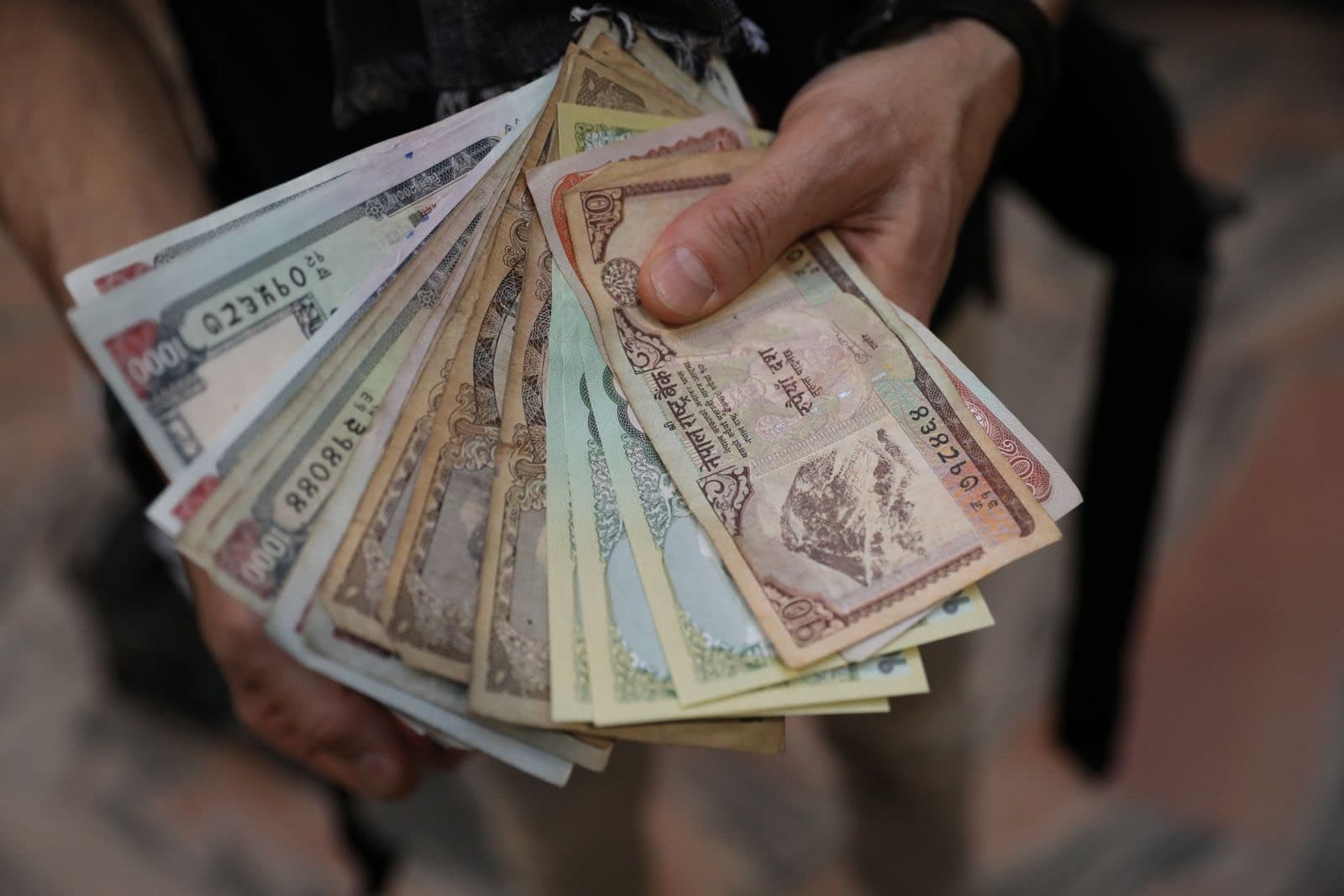
The real cost of land in Nepal is the purchase price plus the registration fee at the Land Revenue Office, any tax agreed in the deal, unpaid land revenue, survey and legal costs, broker commission, loan charges, and the cost of preparing the site and bringing services to it. Registration rates are set locally and change through the annual budget, so ask the office for the current rate for that ward. Then compare plots on total cost, not asking price.
Buyers usually plan their budget around one number, the asking price of the plot. Then the extra costs arrive one by one, and the budget breaks. Understanding the full cost before you start will save you a great deal of stress.
Here is every cost that goes into a land purchase in Nepal, who usually pays it, and when. We have deliberately left out rates and percentages. They change through the annual budget and differ by local government, so any figure printed here would soon be wrong.
What costs go into buying land in Nepal?
There are ten cost items in a typical land purchase. Several fall on registration day, and the rest come before or after it. The worksheet below lists them in the order you will meet them.
| Cost item | Who usually pays | When it is paid |
|---|---|---|
| Purchase price | Buyer | Token money (बैना) at agreement, the balance on registration day |
| Registration fee at the Malpot office | Buyer, unless the agreement says otherwise | On registration day, before the transfer is completed |
| Tax on the seller's gain | Seller normally, but often negotiated | At registration, at the Malpot office |
| Outstanding land revenue and local dues | Seller | Before registration; receipts shown at the counter |
| Field map copy and fresh measurement | Buyer, usually | Before token money or before final payment |
| Lawyer, agreement drafting, notarisation, copies | Buyer for their own lawyer; drafting is often shared | From first document check to registration |
| Broker commission | Buyer, seller or both, as agreed in writing | Usually on registration day |
| Bank processing, valuation, insurance, documents | Buyer (borrower) | Before and at loan release; often deducted from the loan |
| Filling, levelling, boundary wall, soil test | Buyer | After registration, before building |
| Electricity, water, drainage, road work | Buyer | After registration, as you build |
1. The purchase price
This is the amount you agree with the seller. It is usually negotiable, especially if you can pay quickly and cleanly.
Remember that the government valuation for the ward may be different from the market price, and registration is calculated on the official basis used by the office. Ask the Malpot / Land Revenue Office (मालपोत कार्यालय) which value it will use for your plot, because that, not your agreed price, may decide the fee.
Most plots are priced per aana (आना) in the hills and per kattha (कट्ठा) or dhur in the Terai. Convert everything to one unit before you compare. The table at the end of this guide gives the standard conversions.
2. How is the land registration fee worked out?
A registration fee is charged when ownership transfers, and the rate depends on the local government and the type of land. It changes from time to time through the annual budget.
Some local bodies offer concessions in certain cases. Always ask the office for the current rate for that specific ward before you finalise your budget. A neighbour's figure from last year is not a reliable guide.
The Department of Land Management and Archive is the government body over the Malpot offices, and is the place to look for official notices.
3. Who pays the tax on the sale?
The seller normally carries the tax on gains from the sale, but this is often negotiated into the deal.
Make it clear in writing who is paying what. A seller who agrees a low price may expect you to cover the tax, and you need to know that before you shake hands.
4. Why must outstanding dues be cleared first?
Land revenue must be paid up to date before registration. If the seller owes anything, that must be cleared first.
Ask for the latest Malpot tax receipt (तिरो रसिद) early, so there is no delay at the counter. If the receipts are years behind, find out the amount owed and agree in writing that the seller will pay it.
5. What do survey and map costs cover?
You will need a copy of the field map, or naksa (नक्सा), and in many cases a fresh field measurement to confirm boundaries. There are official charges for these services at the Survey Office (नापी कार्यालय), plus the cost of the surveyor's visit.
This is money well spent. A measurement that shows the plot is smaller than the Lalpurja (लालपुर्जा) says, or that the road is not on the map, saves you far more than it costs. Our guide on how to check a Lalpurja explains what to compare.
6. What legal and documentation costs should you expect?
A lawyer who checks the ownership chain is worth every rupee. Add the cost of drafting the sale agreement, notarisation where required, and photocopies of the many documents the office will ask for.
If either side is acting through a power of attorney or akhtiyarnama (अख्तियारनामा), budget for extra checking of that document too. Ask your lawyer for a fixed quote that covers the whole job, from first document check to the day of registration.
7. How does broker commission work?
If a broker introduced the deal, there is a commission. The percentage varies and is negotiable.
Agree on it in writing at the start, and be clear about whether the buyer, the seller or both are paying. Also agree whether it is paid on token money, on registration, or split between the two.
8. What does a bank loan add to the cost?
If you are borrowing, add the bank's processing fee, the valuation charge for the property, insurance where required, and the cost of document preparation.
These are usually deducted before the loan reaches you, so plan for that gap. The bank also lends on its own valuation, not your agreed price. See our guide to home loan documents in Nepal for what the bank will ask for.
9. Why is site preparation the cost buyers forget?
Because it arrives after the deal is done. Low land needs filling. Plots need boundary walls or fencing to prevent encroachment. Some plots need levelling or soil testing before construction.
On a cheap plot, these costs can be larger than the discount that attracted you. Visit in the monsoon if you can. A plot that holds water in Shrawan will need filling before anyone builds on it.
10. What does it cost to bring services to the site?
Electricity connection, a water source or boring, drainage and access road improvement all cost money.
A plot inside an established settlement may need none of this. A plot at the edge of a new area may need all of it. Ask the nearest neighbours what they paid and how long the connection took, and ask the ward office (वडा कार्यालय) whether road work is planned.
How do you build a simple cost worksheet?
Write every item from the table above next to each plot you are considering, put your best estimate against it, and add a margin for surprises.
- List two or three plots you are seriously considering.
- Convert each plot's area to one unit, and its price to a price for the whole plot.
- Ask the Malpot office for the current registration rate and the official value it will use for each ward.
- Ask your bank for its full list of loan charges, not only the interest rate.
- Get rough quotes for filling, a boundary wall and service connections on each site.
- Add a margin for surprises, then compare the plots on total cost.
The cheapest plot on paper is often the most expensive once it is ready to use. Ask the seller, the office and your bank for current figures rather than relying on what someone paid last year. Rates and rules change.
How do you convert Nepali land units?
Plots are sold in ropani (रोपनी) and aana in the hills and the Kathmandu Valley, and in bigha (बिघा), kattha and dhur in the Terai. These conversions are fixed, so you can use them to compare prices across listings.
| Unit | Equals | Square feet | Square metres |
|---|---|---|---|
| 1 ropani | 16 aana | 5,476 | about 508.7 |
| 1 aana | 4 paisa | 342.25 | about 31.8 |
| 1 bigha | 20 kattha = 400 dhur | 72,900 | about 6,772.6 |
| 1 kattha | 20 dhur | 3,645 | about 338.6 |
| 1 dhur | 1/20 of a kattha | 182.25 | about 16.9 |
Where can you start comparing plots?
Browse land for sale on MeroBhumi, or look at plots in a specific market such as land for sale in Butwal. Our listings include clear location and document details, and our team can walk you through the cost breakdown for any plot you are considering.
Listings marked verified on MeroBhumi have had their ownership documents reviewed by our team. It is a strong first check, not a replacement for your own visit to the Malpot office. Start with MeroBhumi and budget with your eyes open.
Frequently asked questions
Who pays the land registration fee in Nepal?
The buyer usually pays the registration fee, but it is a matter of agreement. Write who pays each cost into the sale agreement before token money moves.
What is the land registration fee rate in Nepal?
The rate depends on the local government and the type of land, and it changes through the annual budget. Ask the Malpot office for the current rate for that specific ward.
Is registration fee calculated on the price I pay?
Not always. Registration is calculated on the official basis used by the office, and the government valuation for the ward may differ from your agreed price.
Who pays tax on a land sale in Nepal?
The seller normally carries the tax on gains from the sale, but it is often negotiated. Put the agreed arrangement in writing.
What land costs do buyers forget most often?
Site preparation and services: filling low land, boundary walls, levelling, electricity, water and road work. On a cheap plot these can cost more than the discount.
How many square feet is one aana?
One aana is 342.25 square feet, about 31.8 square metres. Sixteen aana make one ropani, which is 5,476 square feet.
Budget for the whole plot, not just the price
Browse land listings with clear location and document details, and ask our team to walk you through the full cost of any plot you are considering.
Talk to our teamGet new guides and verified listings by email
One email when there is something worth reading. Unsubscribe any time.
No spam. Unsubscribe with one click.
Keep reading.
All guides
What should you check before buying land (jagga) in Nepal?
Check the Lalpurja, survey map, land category, loans, heirs, road access, ward rules, soil and services, then sign a written deal and pay by bank.
How do you check a Lalpurja before buying land in Nepal?
Match the Lalpurja to the seller's citizenship, confirm it at the Malpot office, compare the survey map, check tax receipts and see how the seller got it.

How much can you borrow for a home loan in Nepal, and what documents do you need?
Banks lend a share of their own valuation, capped by Nepal Rastra Bank rules, based on income and credit record. You need ID, income and property papers.