Where are the best places to buy property in Nepal in 2026?
Kathmandu for stability and rent, Pokhara for lifestyle, Butwal-Tilottama for growth, Chitwan for steady services. Location within a town matters most.

Khadak Thapa · Co-Founder & CEO, MeroBhumi
·7 min read
The short answer
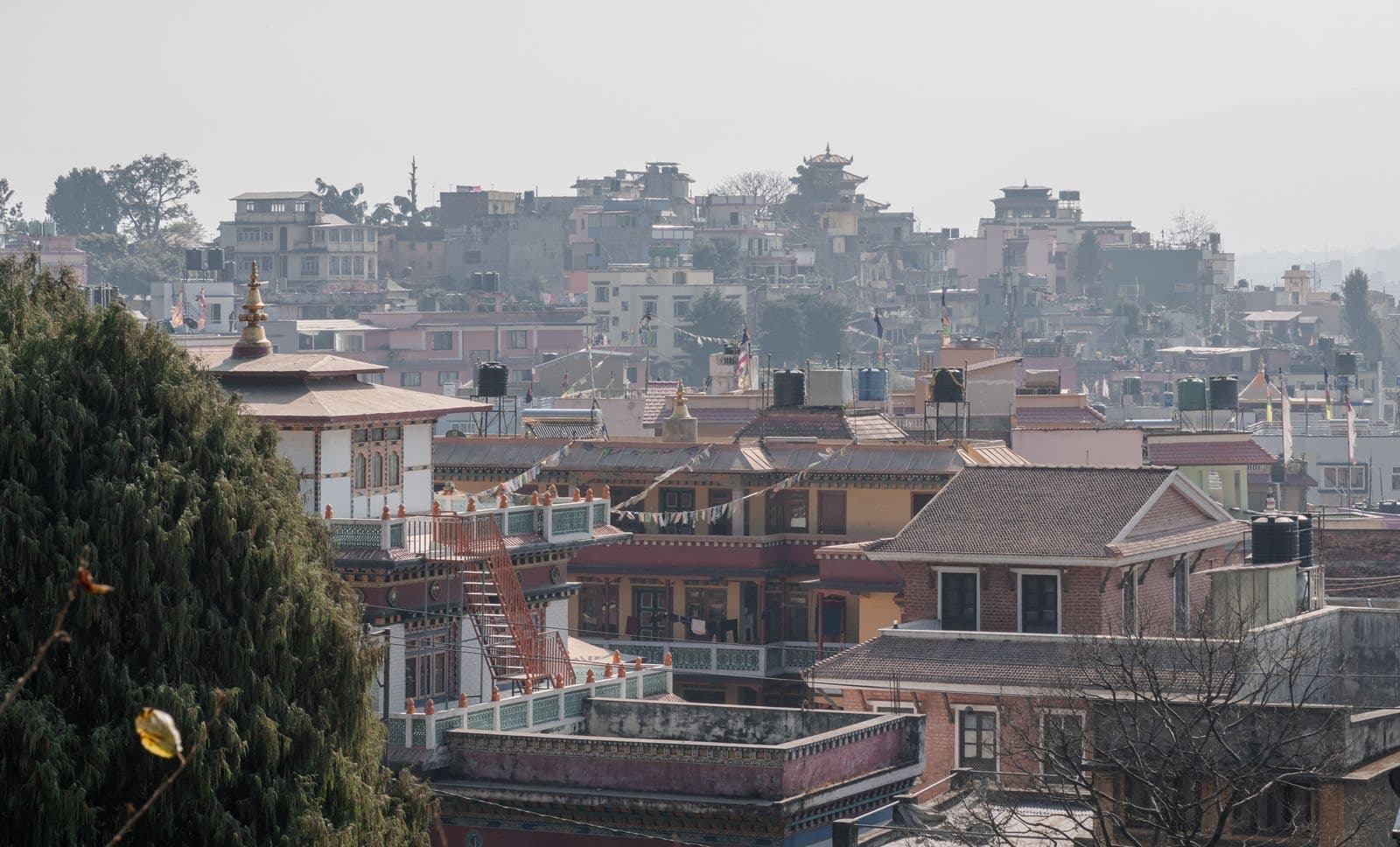
There is no single best place; each market suits a different buyer. The Kathmandu Valley is the largest and most liquid market and suits buyers who want stability and rental demand. Pokhara suits lifestyle buyers who can wait through tourism cycles, the Butwal, Tilottama and Bhairahawa corridor suits buyers who want growth without Kathmandu prices, and Chitwan offers a well serviced city at a steadier price level. In every case, the location within the town matters more than the fame of the town.
Nepal's property market is no longer only about Kathmandu. Roads have improved, cities in the Terai have grown, and buyers now have real choices. Here is an honest look at the main markets and who each one suits.
This guide quotes no prices. Rates change every few months and differ from ward to ward, so a figure would mislead more than it helps. Instead, use the comparison below to decide which market fits your goal, then compare plots inside that market.
How do Nepal's main property markets compare?
Each market has a clear character and a main risk. Read across the row for the city you are considering, and pay most attention to the last column.
| Market | Character | Best for | Main risk | What to check |
|---|---|---|---|---|
| Kathmandu Valley | Largest and most liquid market | Stability, rental demand, apartment buyers | High entry price; traffic, water and density | Water supply, road access, building permits |
| Pokhara | Tourism plus a growing local population | Lifestyle buyers, families and retirees | Lakeside demand rises and falls with travel | Local building rules near the lake, rental history |
| Butwal, Tilottama, Bhairahawa | Fast growing highway, airport and trade corridor | Growth without Kathmandu prices | Low ground, farmland classification | Land use category, flood history, mapped road |
| Chitwan (Bharatpur) | Service centre with hospitals and colleges | A well serviced city at a steadier price level | Low-lying land near rivers | Ground level and drainage, any restrictions near protected areas |
| Itahari, Dharan, Biratnagar | Active eastern market around road and trade links | Buyers with roots or work in the east | Varies widely by town | Which way the town is growing, and road access |
| Smaller centres | Hetauda, Nepalgunj, Surkhet, Damak and others | Lower entry prices | Fewer buyers, so harder to sell | Who would buy from you in ten years |
Is the Kathmandu Valley still worth buying in?
Yes, for stability and rental demand rather than quick gains. The Valley remains the largest and most liquid market in the country. Demand is steady because jobs, hospitals, universities and offices are concentrated here.
Apartments have become a serious option for families who want security and services without the burden of a full house. If you buy one, check that the unit can be registered in your own name with its own ownership certificate, and that the building has its completion certificate from the municipality.
The trade off is price. Central areas are expensive, and the growth areas sit further out along the ring road and the outer corridors. Traffic, water supply and building density are genuine concerns. Buy here for stability and rental demand rather than for quick appreciation. You can browse current listings on our Kathmandu city page.
Who should buy in Pokhara?
Buyers who want lifestyle and long term value, and who can wait. Pokhara combines tourism with a growing local population. Property near the lake side and the tourist zones is driven by hospitality demand, which rises and falls with travel. The wider city has a strong residential market for families and retirees who want a calmer setting.
If you are buying near the lake to run a guest house or rent to visitors, ask the municipality which building rules apply to that area before you pay. Pokhara suits buyers who want a mix of lifestyle and long term value, and who can wait through the ups and downs of tourism.
Why is the Butwal, Tilottama and Bhairahawa corridor growing so fast?
Because four forces push it at once: the highway, the international airport at Bhairahawa, the border trade and steady migration from the hills. This Rupandehi corridor has been one of the fastest growing regions in the country.
Butwal offers commercial strength, Tilottama offers residential expansion, and Bhairahawa carries trade and airport related activity. For buyers who want growth without Kathmandu prices, this corridor deserves a close look. MeroBhumi is based here, and you can compare plots on our Butwal and Tilottama city pages.
Growth here is not evenly spread, and much of the new plotting is on former farmland. Our guide to the best areas to buy land around Butwal and Tilottama looks at which parts of the corridor suit a long hold, and what to check in each.
Is Chitwan a good place to buy property?
It suits buyers who want a well serviced city with a steadier price level than the Valley. Bharatpur has become a major service centre with strong hospitals, colleges and a growing middle class. It sits at a convenient point on the national road network, which supports both commerce and residential demand.
Much of Chitwan is flat Terai land with large rivers, so check the ground level and drainage of any plot, and ask neighbours how the area behaved in the last monsoon. Near the national park, ask the municipality whether any extra rules apply.
What about the eastern cities?
Itahari, Dharan and Biratnagar form an active eastern market, and each has a different pull. Itahari benefits from its position at a major road junction. Dharan attracts buyers who want a cooler climate and a strong local economy. Biratnagar remains an established industrial and trading base.
Are smaller towns worth considering?
Yes, if you are patient and know the town. Hetauda, Nepalgunj, Butwal's surrounding rural municipalities, Surkhet and Damak all show activity driven by roads, administration and local commerce. These markets are smaller, so they can be less liquid, but entry prices are lower.
Smaller markets reward local knowledge. If you cannot visit often, find a trusted person in the town, or post what you want on our free property demands board so local sellers and agents can come to you.
How do you judge any location?
Ask the same questions wherever you buy. A well located plot in a smaller city can outperform a poorly located plot in a large one. Location within the town matters more than the fame of the town.
- Is there a legal, usable access road? Check that it appears on the field map, or naksa (नक्सा), from the Survey Office (नापी कार्यालय), not only on the ground.
- Is the ward already served with electricity, water and drainage? Ask at the ward office (वडा कार्यालय) what is planned if it is not.
- What is being built nearby in the next few years? Schools, hospitals, roads and markets pull demand towards them.
- Is the ground safe? Look for low land, river channels and landslide scars, and visit in the monsoon if you can.
- Who would buy this from you in ten years, and why? If you cannot name the buyer, the plot may be hard to sell.
Land units also change with the region. In the hills and the Kathmandu Valley, land is measured in ropani (रोपनी) and aana (आना); in much of the Terai, in bigha (बिघा), kattha (कट्ठा) and dhur. One ropani is 5,476 sq ft and one kattha is 3,645 sq ft, so convert every quote to square feet before you compare cities.
Does the paperwork matter as much outside Kathmandu?
Exactly as much. No location protects you from a bad document. Verify the Lalpurja (लालपुर्जा), the map and the ownership chain in Pokhara exactly as carefully as you would in Kathmandu.
That means a visit to the Land Revenue Office, or Malpot (मालपोत कार्यालय), for the district where the land sits, before any money changes hands. Our guide to verifying a property before paying token money sets out the order of visits.
MeroBhumi brings listings from across Nepal into one place, so you can compare cities and wards without travelling to each one. Listings marked verified have had their ownership documents reviewed by our team. It is a strong first check, not a replacement for your own visit to the Malpot office.
Frequently asked questions
Which city in Nepal is best for property investment?
It depends on your goal. Kathmandu suits stability and rental demand, Pokhara suits lifestyle buyers, and the Butwal, Tilottama and Bhairahawa corridor suits buyers looking for growth without Kathmandu prices.
Is it better to buy in Kathmandu or in a Terai city?
Kathmandu is the most liquid market but has the highest entry price. Terai cities such as Butwal and Bharatpur offer lower entry prices and growth, but you must check ground level, drainage and land classification carefully.
Are apartments a good option in Kathmandu?
They have become a serious option for families who want security and services without maintaining a full house. Check that the unit can be registered in your name and that the building has its completion certificate.
Is property in small towns hard to sell?
It can be. Smaller markets have fewer buyers, so they are less liquid, though entry prices are lower. Buy there only if you can wait or plan to use the property yourself.
What matters more, the city or the location within it?
The location within the town. A well located plot in a smaller city can outperform a poorly located plot in a large one.
Compare cities before you travel
Browse listings city by city on MeroBhumi and shortlist properties in the market that fits your goal.
Explore citiesGet new guides and verified listings by email
One email when there is something worth reading. Unsubscribe any time.
No spam. Unsubscribe with one click.
Keep reading.
All guides
Where are the best areas to buy land around Butwal and Tilottama for future investment?
Growth follows the highway, the airport and new services. Lanes behind the highway and Tilottama's new wards suit a 10-year hold, if the papers are clean.
House or land: which is a better investment in Nepal?
Land suits buyers who can wait ten years and need no income. A house suits those who want rent or a home now. Location and paperwork matter most.

How do you verify a property before paying token money in Nepal?
Verify first, pay second: check the owner, the Malpot record, the map, the road, ward rules and dues, then sign a written token agreement and pay by bank.