House or land: which is a better investment in Nepal?
Land suits buyers who can wait ten years and need no income. A house suits those who want rent or a home now. Location and paperwork matter most.

Khadak Thapa · Co-Founder & CEO, MeroBhumi
·7 min read
The short answer
Neither is better for everyone. Land usually rewards a buyer who can wait ten years or more and does not need monthly income, because a plot does not age and costs almost nothing to hold. A house suits a buyer who wants rent or a home now, and it is generally easier to get a bank loan for. In both cases, location and clean paperwork decide the result more than the choice between the two.
Almost every Nepali buyer faces this question at some point. You have saved money, you are ready to invest, and you must choose between an empty plot of jagga (जग्गा) and a built house. Both are good assets. They simply serve different goals.
This guide sets out the honest case for each, a side-by-side comparison, three questions that settle the choice, and the mistake that costs buyers most.
Why do so many Nepali buyers prefer land?
Because land does not age. A house needs paint, repairs and a new roof over time, but a plot sits there and keeps its value. There is no maintenance cost, no tenant to manage and no depreciation.
Land also gives you freedom. You can build the house you want, when you want, in the size your family needs. In growing towns, plots on the edge of the city have historically given strong long term gains as roads and services arrive. Growing towns such as Butwal are where buyers usually look for this kind of edge-of-town growth.
Land is also simpler to divide. A family that holds a larger plot can later split it into separate kitta (कित्ता) for children, or sell one part and keep the rest. A house is much harder to split that way.
What are the weaknesses of buying land?
Land earns nothing while you hold it. Your money sits still, and you still pay land revenue every year at the Malpot / Land Revenue Office (मालपोत कार्यालय). If you need that money in an emergency, a plot can take months to sell.
Empty land can also be encroached upon, so it needs someone to look after it. A neighbour moves a boundary post, someone dumps construction waste, or a path appears across the corner. Buyers who live abroad or in another city often pay for a boundary wall for exactly this reason.
Why buy a house instead?
A house earns from day one if you rent it. That rental income can cover part of your loan payment, which makes the purchase easier to carry. If you live in it yourself, you save on rent, which is a real return even if it never appears in your bank account.
Banks also treat houses differently. It is generally easier to arrange a housing loan for a completed house than for an empty plot, so a house may let you enter the market sooner. Our guide to home loan documents in Nepal explains what the bank will ask for.
A finished house also removes construction risk. You can see the build quality, the water pressure and the light before you pay, instead of managing contractors and price rises on materials yourself.
What are the weaknesses of buying a house?
The weakness of a house is cost. Repairs, paint, plumbing and electrical work never stop. The building loses value as it ages, even while the land under it gains.
Tenants take time to manage, and rent does not always arrive on schedule. A flat or shop that sits empty for three months still needs its loan instalment paid.
A house also carries more paperwork to check. Beyond the Lalpurja (लालपुर्जा), you need the approved building drawing and the local body's construction approval. A house built without them can be hard to sell and hard to borrow against.
How do house and land compare side by side?
The short version: land is for growth and patience, a house is for income and use. The table below sets out the practical differences.
| Factor | Land (jagga) | House |
|---|---|---|
| Income while you hold it | None | Rent from day one, or rent you no longer pay |
| Upkeep | Very little; boundary and yearly land revenue | Ongoing repairs, paint, plumbing and wiring |
| Value over time | Plot does not age; gains as roads and services arrive | Land gains, building loses value with age |
| Bank loan | Generally harder to finance an empty plot | Generally easier for a completed house |
| Your time | A visit or two a year | Tenants, repairs and collections; a small business |
| Main risk | Encroachment, no road, no buyers later | Poor construction, weak rental area, empty months |
| Flexibility | Build what you want, when you want, or divide later | What you see is what you get |
| Extra papers to check | Lalpurja, survey map, road access | All of those, plus building drawing and construction approval |
How do you choose between a house and land?
Answer three questions honestly: how long you can wait, whether you need income, and how much time you can give it.
- How long can you wait? If you have ten years or more and no need for monthly income, land usually rewards patience. If you want returns now, a house makes more sense.
- Do you need income? A retired buyer who needs monthly cash should look at a rentable property. A young earner with a salary can afford to let land sit and grow.
- How much time can you give it? A house is a small business. Land is closer to a savings account that you visit twice a year.
If your answers point in different directions, the middle path further down is often the answer.
What mistake do most buyers make?
They buy on price instead of location. Many people buy land far from the city because it is cheap, then discover it has no road, no water and no buyers when they want to sell. Cheap land in the wrong place is not an investment. It is money parked in a field.
The same applies to houses. A poorly built house in a weak rental area will drain your money through repairs while earning very little.
Location and paperwork decide the outcome more than the choice between house and land. Before you compare a plot with a house, compare the areas. Our guide to the best places to buy property in Nepal is a good starting point.
What should you check before buying either?
The same core checks apply to both, and a house adds a few more. Do them before any token money changes hands.
- Ownership: the name on the Lalpurja matches the seller, and the record matches at the Malpot office.
- Road access: the road you drove on is shown on the official survey map, not just used by habit.
- Services: electricity, water and drainage are already there, or you know what it costs to bring them.
- For a house: the approved building drawing and construction approval from the municipality, and a look at cracks, damp and the roof.
- For rent: speak to two or three tenants or shopkeepers nearby about what similar places actually rent for.
Our land buying checklist for Nepal covers each of these steps in more detail.
Is there a middle path between house and land?
Yes. Some buyers do both in stages. They buy a plot in a growing area, hold it while it appreciates, then build on it when their income allows. This gives them the growth of land and, eventually, the income of a house.
Another version is to build a modest ground floor first, rent it out, and add floors later as savings grow. If you plan this, ask the municipality before you build what the drawing approval allows, so the later floors are legal.
Whatever you choose, verify the documents first. A great location with an unclear Lalpurja is not a good deal at any price.
How can MeroBhumi help you compare?
MeroBhumi lists both land for sale and ready houses across Nepal. Listings marked verified on MeroBhumi have had their ownership documents reviewed by our team. It is a strong first check, not a replacement for your own visit to the Malpot office.
Frequently asked questions
Is land or a house a better investment in Nepal?
Land usually suits buyers who can wait ten years or more and do not need income. A house suits buyers who want rent or a home now. Location and paperwork matter more than the choice itself.
Is it easier to get a bank loan for a house or for land?
It is generally easier to arrange a housing loan for a completed house than for an empty plot. Each bank sets its own terms within Nepal Rastra Bank rules, so ask more than one bank.
Does land lose value like a house does?
No. A plot does not age, while a building loses value as it gets older, even though the land under it keeps gaining. Land in the wrong place can still be hard to sell.
What is the biggest risk of holding empty land?
It earns nothing while you hold it, and it can be encroached upon if nobody looks after it. Keep the land revenue paid and check the boundary marks on every visit.
Can I buy land now and build a house later?
Yes. Many buyers hold a plot in a growing area while it appreciates, then build when their income allows. This gives you the growth of land first and rental income later.
Compare land and houses side by side
Browse land and ready houses across Nepal, check which listings are marked verified, and speak to our team about which fits your budget and your timeline.
Browse properties for saleGet new guides and verified listings by email
One email when there is something worth reading. Unsubscribe any time.
No spam. Unsubscribe with one click.
Keep reading.
All guides
What should you check before buying land (jagga) in Nepal?
Check the Lalpurja, survey map, land category, loans, heirs, road access, ward rules, soil and services, then sign a written deal and pay by bank.

How much can you borrow for a home loan in Nepal, and what documents do you need?
Banks lend a share of their own valuation, capped by Nepal Rastra Bank rules, based on income and credit record. You need ID, income and property papers.
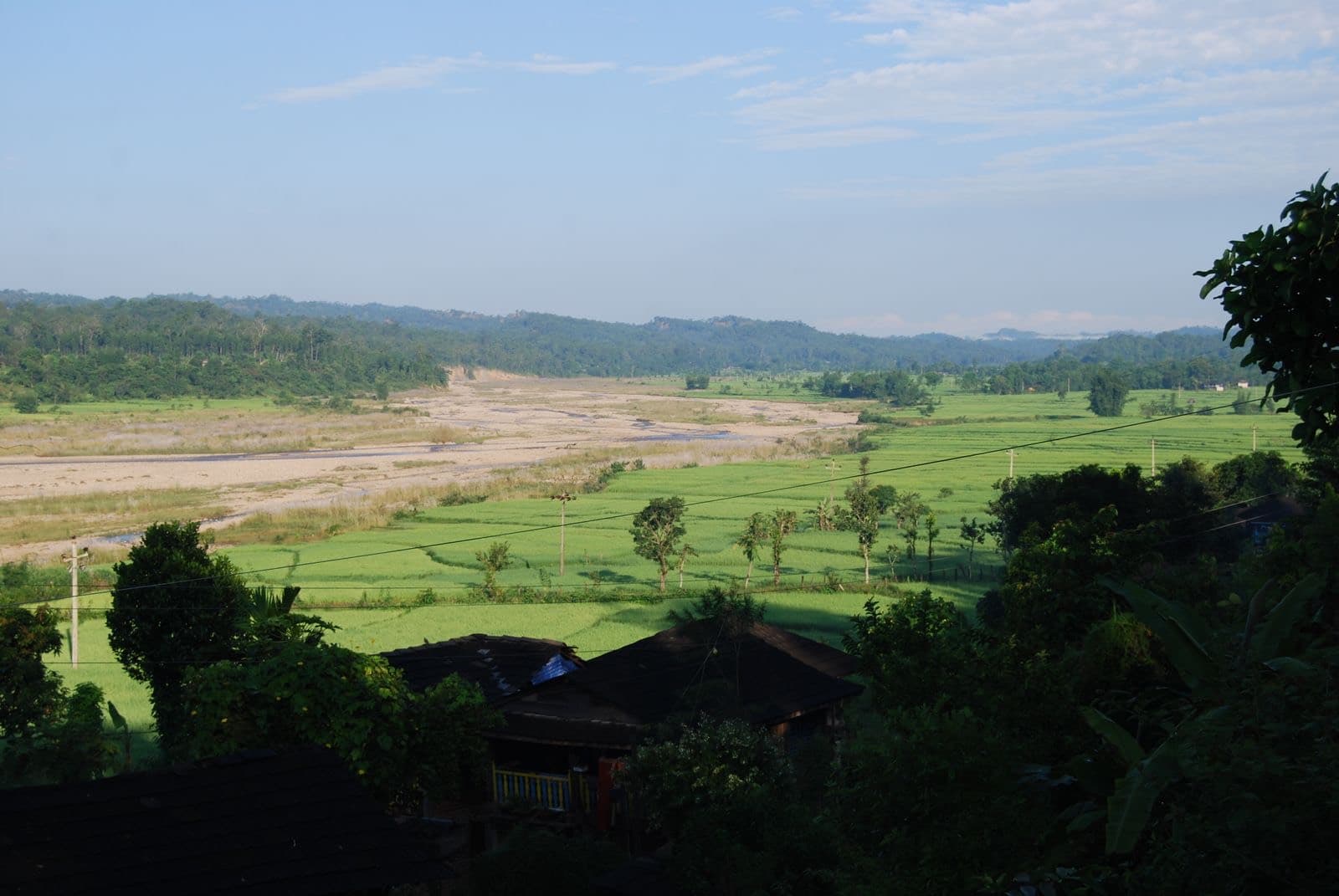
Where are the best areas to buy land around Butwal and Tilottama for future investment?
Growth follows the highway, the airport and new services. Lanes behind the highway and Tilottama's new wards suit a 10-year hold, if the papers are clean.