Land price in Butwal, Tilottama and Bhairahawa: what decides it, and how do you check a fair rate?
Land price here follows road width, distance from a chowk, ground level, plot shape and services. Compare three plots and the ward valuation before paying.

Khadak Thapa · Co-Founder & CEO, MeroBhumi
·9 min read
The short answer
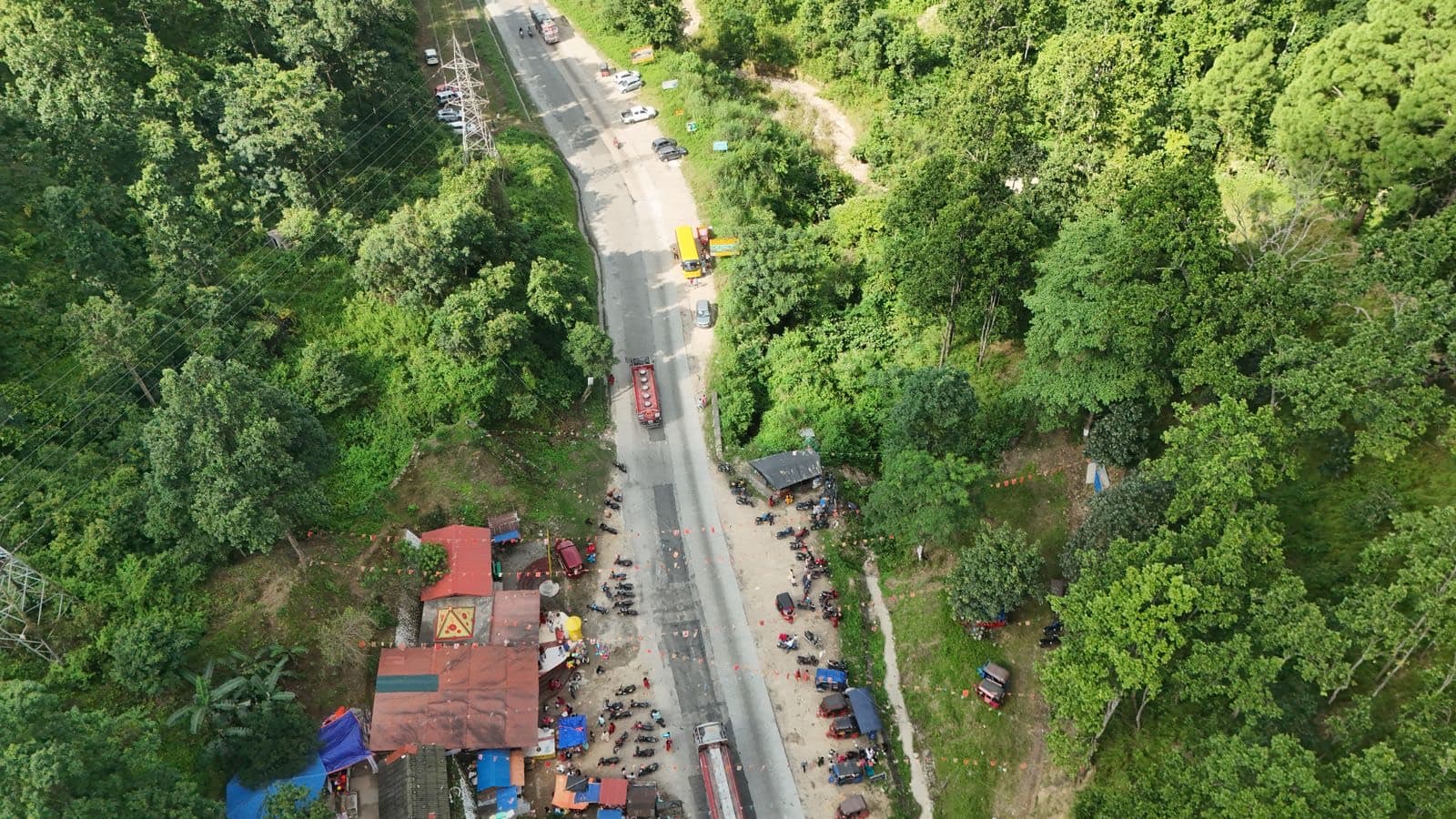
Land price in Butwal, Tilottama and Bhairahawa is decided mostly by five things: road width, distance from a main chowk, ground level and drainage, plot shape and frontage, and the development around the plot. Central Butwal carries the highest, mostly commercial rates, Tilottama is where farmland is turning into housing plots, and Bhairahawa's demand follows the border trade and the airport. Prices change every few months, so to judge a rate, compare at least three plots in the same lane, ask local shopkeepers, and check the government valuation for the ward at the Land Revenue Office.
Rupandehi has become one of the most active property markets in Nepal. Butwal, Tilottama and Bhairahawa sit close together, connected by the highway, and each has its own character. Buyers often ask a simple question: where is land cheaper, and where is it worth more?
Prices change every few months, so this guide does not quote figures. Instead it explains what drives the price in each area, so you can judge any rate that a seller quotes to you for a piece of jagga (जग्गा).
What decides land price in this region?
Five things move the price more than anything else, and road width comes first. Learn to read these five on any plot and you can tell within minutes whether a quoted rate is in the right range.
- Road width. A plot on a wide, black topped road will always cost more than the same plot behind it. Ask whether the width you see on the ground is the width recorded on the map, because a lane that looks wide may be partly a neighbour's land.
- Distance from a main chowk. Rates fall as you move away from the busy junctions, but not evenly. A plot on a through road further out can be worth more than one in a dead-end lane close in.
- Ground level and drainage. Low land needs filling, and filling costs money before you lay a single brick. A plot that sits below the road will collect water in the monsoon.
- Plot shape and frontage. A regular rectangle with a good frontage is easier to build on and easier to sell. Narrow, long or triangular plots lose more of their usable area once building setbacks are applied.
- Surrounding development. Schools, hospitals and markets pull prices up. A ward where families already live is a safer purchase than one that is all plots and no houses.
Notice what is not on the list: the seller's story about what the land will be worth once a rumoured project arrives. Price what is there today.
How do Butwal, Tilottama and Bhairahawa compare?
The same budget buys a very different kind of plot in each town. The table sums up the differences before we look at each place in turn.
| Area | Character | Best for | Main risk | What to check |
|---|---|---|---|---|
| Central Butwal | Commercial heart, around the main chowks | Shops, offices and rental buildings | Paying a commercial rate for a plot you only want to live on | Recorded road width and the building rules for the ward |
| Northern and western Butwal | Quieter residential pockets | Families who want a calm plot within reach of the city | Steep or narrow approach roads | Whether the access road is on the map, and the slope of the plot |
| Butwal near the Tinau | Mixed, changes from lane to lane | Buyers prepared to check carefully | Low ground and flood history | Ground level against the road, and what neighbours say about past monsoons |
| Tilottama | Fast growing, with farmland turning into plots | Good connectivity in a calmer setting than central Butwal | Agricultural classification and roads that exist only in practice | Land use category and the municipal building rules |
| Bhairahawa (Siddharthanagar) | Border trade and the international airport | Patient commercial investors, and families in the serviced residential areas | Commercial demand moves with trade and travel | Who would buy the plot from you later, and why |
Why does land in central Butwal cost so much more?
Because it is bought for business, not for living. Butwal is the commercial heart of the region. The central areas around the main chowks carry the highest rates and are mostly commercial. Land here is bought for shops, offices and rental buildings rather than for open space.
Move outward and the character changes. The residential pockets on the northern and western sides attract families who want a quiet plot within reach of the city. The riverside areas near the Tinau need extra attention, because ground level and flood history vary a lot from lane to lane.
To see where sellers are pitching right now, look through current land for sale in Butwal and sort the plots by road and ward before you compare rates.
Where are the opportunities and the risks in Tilottama?
Both sit in the same place: the farmland being turned into housing plots. Tilottama sits between Butwal and Bhairahawa and has grown quickly. Areas along the highway corridor and around the older settlements are popular with buyers who want a plot with good connectivity but a calmer setting than central Butwal.
Tilottama also has a large amount of farmland that is slowly turning into housing plots. This is where you find both the best opportunities and the biggest risks. Always check the land use category, because agricultural classification can limit what you build. Ask the municipality before you agree a price, not after.
The second trap in new plotting areas is the road. Get the field map, or naksa (नक्सा), from the Survey Office (नापी कार्यालय) and confirm that the access road is drawn on it. You can compare plots that are on the market today in our Tilottama land listings.
What moves land prices in Bhairahawa?
Trade and travel. Bhairahawa carries the border trade and the international airport. Land near the airport and along the border road has attracted investor interest for years. Commercial demand here is tied to trade and travel, so it moves with the wider economy.
Residential areas within Siddharthanagar remain steady, and buyers often prefer them for family homes because services are already in place. Bhairahawa is the name everyone uses, but the municipality is Siddharthanagar, and that is the name you will usually find on official papers.
Which land units will you hear, and how do they convert?
Rates in Butwal are commonly quoted per aana (आना), while further south towards Bhairahawa many sellers use kattha (कट्ठा) and dhur. Convert every quote to square feet before you compare, or a rate that sounds low can turn out to be the same or higher.
| Unit | Equals | Square feet | Square metres |
|---|---|---|---|
| 1 ropani (रोपनी) | 16 aana | 5,476 | about 508.7 |
| 1 aana | 4 paisa | 342.25 | about 31.8 |
| 1 bigha (बिघा) | 20 kattha | 72,900 | about 6,772.6 |
| 1 kattha | 20 dhur | 3,645 | about 338.6 |
| 1 dhur | one twentieth of a kattha | 182.25 | about 16.9 |
As a quick check, one kattha is a little over ten and a half aana. If a seller in Tilottama quotes per kattha and one in Butwal quotes per aana, divide the kattha rate by about 10.65 before you compare them.
How do you check a fair price yourself?
Do not rely on one seller's word. Collect your own evidence in this order, and you will know the real range for a lane within a day or two.
- Visit at least three plots in the same lane and ask for rates. Note the road width, ground level and shape of each, so you compare like with like.
- Speak to local shopkeepers, who usually know recent deals. A shop near the chowk often knows what sold last month better than any advertisement.
- Check the government valuation rate for the ward at the Land Revenue Office, or Malpot (मालपोत कार्यालय). It gives you a floor for comparison, not the market price.
- Look at current asking rates for the same ward online. Asking rates are not sale prices, but they show where sellers are pitching.
- Adjust for road width, ground level and shape. A plot that needs filling or has a narrow access should be cheaper than its neighbour.
- Make an offer only once the papers check out. The Lalpurja (लालपुर्जा) comes first, and our guide on how to check a Lalpurja walks through the visit to Malpot step by step.
What does a cheap-looking plot really cost?
More than the price on the paper. Remember that the price you pay is not the only cost. Filling, boundary walls, road access and service connections can add a great deal to a cheap looking plot.
- Filling: low ground has to be raised to road level before you build, and in the Terai that can mean a lot of soil.
- Boundary wall: most buyers build one quickly, especially if they will not live on the plot soon.
- Road access: in new plotting areas, owners are sometimes asked to contribute towards making or widening the lane.
- Services: an electricity connection, a water line and drainage all cost more where the ward is not yet served.
- Registration and taxes: paid at Malpot on the day of transfer. See our breakdown of the real cost of buying land in Nepal.
Ask for a rough quote on filling and the wall before you negotiate. Two plots at the same rate can be very different purchases once these are added.
Should you buy for the next ten months or the next ten years?
Buy for the next ten years. Land in this region has grown with the highway, the airport and steady migration into the cities. That growth is real, but it is not evenly spread. A plot with poor access in a fast growing ward can still be a weak purchase.
If you are buying to hold, the question changes from what a plot is worth today to where growth is heading. Our companion guide to the best areas to buy land around Butwal and Tilottama covers that side, with a checklist for a ten-year hold.
MeroBhumi is based in Rupandehi and lists land across Butwal, Tilottama and Bhairahawa with clear location details. Listings marked verified have had their ownership documents reviewed by our team. It is a strong first check, not a replacement for your own visit to the Malpot office.
Frequently asked questions
Is land cheaper in Tilottama than in Butwal?
Generally, plots in Tilottama's residential and newly plotted areas cost less than land in central Butwal, which is priced for commercial use. A Tilottama plot on a wide road near a chowk can still cost more than one in an outer Butwal lane, so compare plot by plot.
What affects land price most in Rupandehi?
Road width comes first, followed by distance from a main chowk, ground level and drainage, plot shape and frontage, and the development around the plot.
Where can I find the government valuation rate for a ward?
Ask at the Land Revenue Office (Malpot) for the district. The valuation is a floor for comparison, not the market price.
How many aana are there in one kattha?
One kattha is 3,645 sq ft and one aana is 342.25 sq ft, so a kattha is about 10.65 aana.
Why does this guide not quote land prices?
Rates in Butwal, Tilottama and Bhairahawa change every few months and differ from lane to lane, so any figure would be out of date quickly. Comparing three nearby plots gives you a more reliable range.
Compare land in Butwal and Tilottama
See current asking rates for plots across Butwal, with ward and road details, before you speak to a seller.
Browse Butwal landGet new guides and verified listings by email
One email when there is something worth reading. Unsubscribe any time.
No spam. Unsubscribe with one click.
Keep reading.
All guides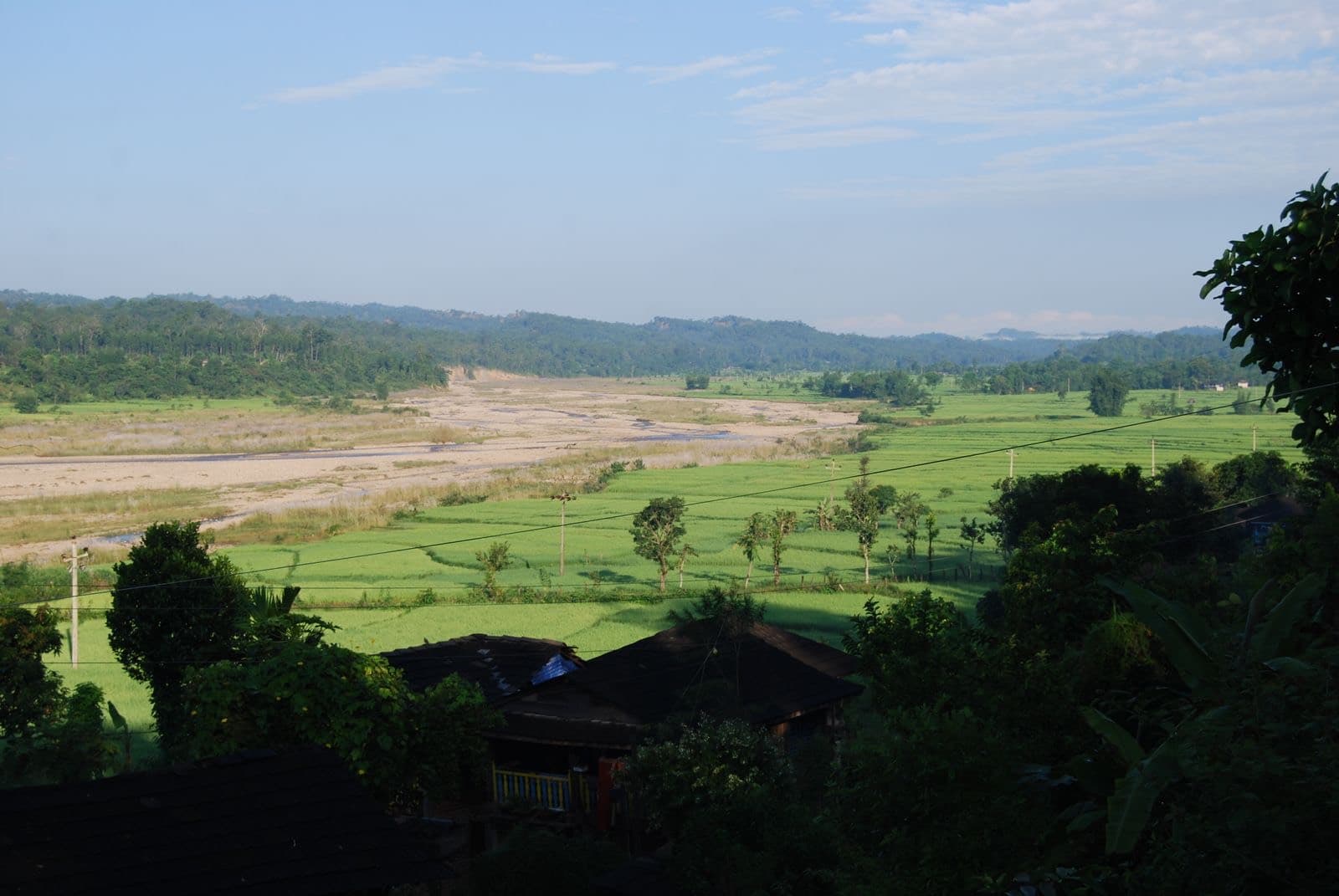
Where are the best areas to buy land around Butwal and Tilottama for future investment?
Growth follows the highway, the airport and new services. Lanes behind the highway and Tilottama's new wards suit a 10-year hold, if the papers are clean.
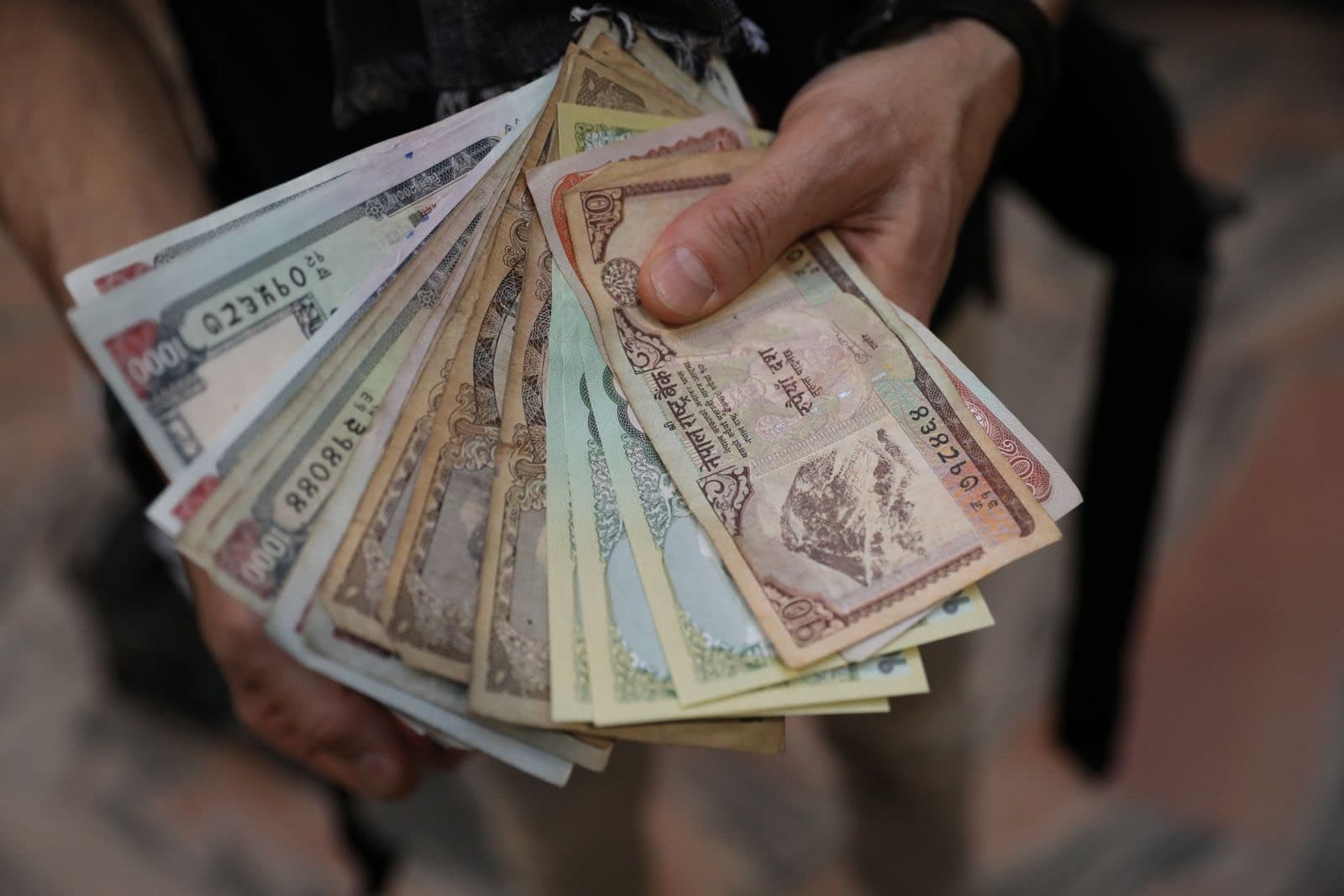
How do you calculate the real cost of buying land in Nepal?
Add the price, the Malpot registration fee, taxes, unpaid dues, survey, legal, broker and loan costs, and site work. Ask the office for current rates.

What are the red flags when buying property in Nepal?
No original Lalpurja, pressure to pay token money, a price far below the area, a seller who isn't the owner, wrong boundaries, missing heirs, cash only.